BOZNIA & HERZEGOVINA SEEK EU MEMBERSHIP
BRUSSELS - BY EU INSIDER - Apr 13,2024
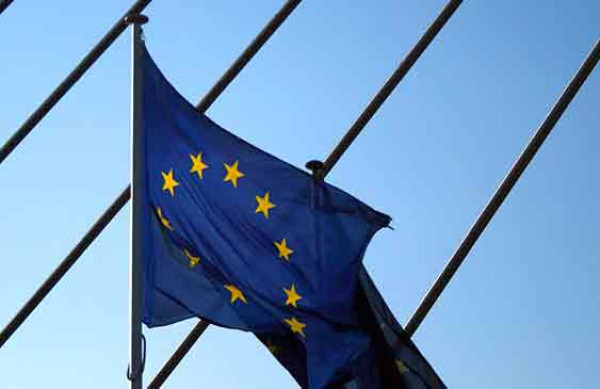
On March 21st, at the European Council summit in Brussels, a decision was made to commence negotiations for Bosnia and Herzegovina's accession to the European Union, marking a significant step towards EU membership for the country. Croatia, sharing a constitutional ethnic bond through its citizens with Bosnia and Herzegovina, has emerged as a fervent advocate for the latter's integration into the EU. Although a specific date for the start of these negotiations has not been established, the move is seen as a constructive development towards transitioning from the Dayton Agreement framework.
Bosnia and Herzegovina holds a pivotal geopolitical role in the Western Balkans due to its unique position at the juncture of eastern and western Europe, and as a meeting point for diverse religious and cultural influences including Eastern Orthodox, Roman Catholic, and Islamic traditions.
Its strategic significance is magnified by its proximity to the Adriatic Sea and essential trade and military routes, despite its limited coastline. The country's demographic makeup, comprising Bosniaks, Serbs, and Croats, mirrors the broader ethnic and religious complexity of the region, influencing its peace, stability, and inter-regional relations.
The end of Yugoslavia led to the Bosnian War in the 1990s, culminating in the Dayton Agreement and the birth of the independent state of Bosnia and Herzegovina. During this period, Russia supported the Serb population, advocating for closer ties with Serbia and Russia.
Recent years have seen a heightened geopolitical rivalry in the region, exacerbated by the war in Ukraine and resulting in increased tensions between Russia and Western nations, including in the Balkans.
Russian interests in Bosnia and Herzegovina have been consistent, marked by opposition to the integration of Balkan states into Western structures like the EU and NATO, amidst the backdrop of unresolved regional disputes.
Russia's support for nationalist and separatist forces in the region, coupled with its economic investments and military cooperation, particularly with the Republika Srpska, underscores its intent to maintain influence and potentially destabilize democratic progress and political unity in the Balkans.
Conversely, Serbia's foreign policy exhibits a dual approach, seeking EU and NATO alignment while maintaining strong ties with global powers, including Russia. Serbia's geopolitical ambitions focus on preserving and potentially annexing the Republika Srpska, reflecting broader strategic objectives in the Balkans, including access to the Adriatic Sea and extending its influence westwards.
Croatia's engagement with Bosnia and Herzegovina is driven by a desire to see a stable and developed neighbor join the EU and NATO. Croatian support extends beyond financial investments to advocating for political reforms and fair representation of the Croatian population within Bosnia and Herzegovina's governance structures.
Croatia's energy strategy also includes plans to supply gas to Bosnia and Herzegovina, reflecting broader regional cooperation goals.
The European Union's decision to initiate accession negotiations with Bosnia and Herzegovina represents a significant opportunity for the country to align more closely with European standards and values, moving beyond the limitations of the Dayton Agreement.
This gesture by the EU, aimed at fostering stability and integration in the Western Balkans, signals a renewed commitment to the region's future within the European fold.