CORPORATE AGENDAS AT MARKET RISK
LONDON - BY EU INSIDER - Apr 13,2024
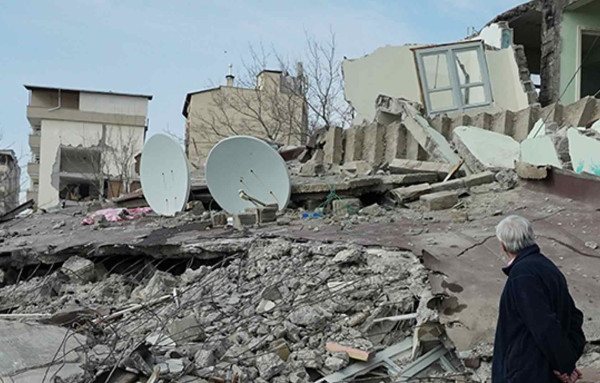
The conflict in Ukraine may still be ongoing, but plans are already in motion for the post-war reconstruction of the country, with various companies and governments preparing to contribute. Additionally, in other regions such as Ethiopia, South Sudan, and Iraq, efforts to rebuild and recover from conflicts have made varying degrees of progress. The aftermath of wars and natural disasters can present significant commercial opportunities. However, due to the fragility of these areas, multinational companies must ensure that their activities support stability and development, or they risk losing their early gains.
Countries recovering from such destructive events are eager to attract foreign direct investment for rebuilding infrastructure and promoting economic growth. Companies can play a crucial role in stabilization efforts, earning a reputation as responsible economic players and gaining the trust of local customers and authorities.
Yet, companies must be cautious not to make missteps, whether intentional or inadvertent, as they could lead to operational and reputational damage, especially in post-disaster settings where the rush to start relief and reconstruction efforts can be chaotic.
Past incidents have shown the consequences of corporate misbehavior, such as the use of substandard materials by private contractors in Indonesia after the Asian tsunami or the scrutiny faced by contractors in Haiti over the effectiveness of their cash-for-work programs.
In regions like South Sudan and Iraq, energy companies have contributed to the recovery of oil-and-gas-dependent economies, but some have faced scrutiny for their involvement in human rights abuses and environmental pollution.
Entering post-conflict and post-disaster markets involves significant risks. Companies must address immediate concerns like the safety of their staff and assets and assess how their operations impact the reconstruction and normalization process. Understanding the regional geopolitical dynamics is also crucial, as it may impose limitations on business activities.
The inherent fragility of these countries means that conditions can change rapidly. Political transitions may collapse due to power struggles, frozen conflicts can erupt into violence, and government corruption may trigger public anger.
To mitigate risks, companies must conduct due diligence checks and develop operational risk frameworks. These frameworks should assess how their investment will benefit local communities and how it might be perceived. They should avoid actions that could alienate rival communities, exploit weak regulations, or engage with discredited commercial and political actors linked to the conflict or disaster.
Geopolitical trends should be analyzed as well, as countries recovering from crises can come under the influence or pressure of regional and global powers, which may impact investment opportunities.
Given the volatility and fragility of these regions, ongoing operational risk and geopolitical assessments are essential. Companies should monitor and mitigate the impact of their activities on local stakeholders to ensure compliance with environmental, social, and governance (ESG) standards.
The push for heightened human rights due diligence in conflict-affected and high-risk areas is encouraging, and businesses exploring opportunities in these territories should approach risk and mitigation with the same rigor that future regulatory regimes will require.
In summary, the commercial opportunities in post-conflict and post-disaster regions are significant, but companies must exercise caution and responsibility to ensure their activities contribute to stability and development while respecting international humanitarian law. Striving for strong ESG standards will not only benefit these regions but also align with future regulatory expectations.